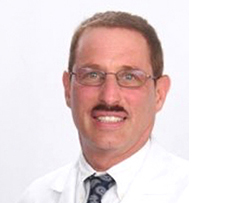
Patient Story: Concierge Healthcare while Traveling

RK, a member of my Nu-Living Concierge Medical Practice, was traveling in the Middle East when he had an automobile accident.  He sustained four rib fractures and was taken to a local hospital.  The patient was in extreme pain and was given several doses of morphine and transferred to the intensive care unit. RK remained delirious and had no ability to communicate with most of the medical staff about his condition—a terrifying experience which could have been disasterous if not for concierge healthcare.

One of his relatives notified me of the situation and I asked if I could be of assistance. I was given the telephone number of the hospital room and after calling, I was connected with a nurse who did not speak English. I persisted and finally was able to speak to another nurse who was able to tell me that RK was under the care of an orthopedic doctor who apparently spoke English. I asked to communicate with the doctor and eventually was connected to him. I learned that RK was stable but still in great pain. The plan was to discharge RK the next day and for him to leave the country on his scheduled flight the evening of discharge. I did not think this was a good idea.

RK was able to speak with me and told me that he was in great pain and still delirious from all the pain medications. He told me he was dizzy and could hardly walk. He also sounded congested on the phone. He was coughing and had a low-grade fever. Once again I was able to contact the orthopedic physician and convince him that RK needed to stay in the hospital for a few more days since he apparently was on the verge of developing a serious lung infection and had no one to care for him in this Middle Eastern country when he left the hospital. I suggested that he be given less sedating pain medication so he could recover his mental faculties and also make some plans which included changing his plane reservations. I recommended that they start him on antibiotics and begin respiratory therapy to help expand his lungs, as I hoped to prevent a secondary pneumonia.

Forty eight hours later RK was much better, ready for discharge and had much less pain. He did require continued pain medications, oral antibiotics and some inhaled bronchodilators. He was able to reschedule his flight and to arrange for the airline to provide special accommodations on the plane for his injury.  He and I spoke daily from his hotel room and I assessed his suitability to travel. Finally I gave him the go ahead to leave the country. After he returned home I helped him draft a letter to the airline so that he would not be charged for changing his reservations due to medical illness.

I have had several patients who were traveling abroad and who developed medical illnesses. With today’s technology, applications such as Skype allow a virtual visit between me and a patient anywhere where there is Internet access – a huge advantage that concierge healthcare allows.  In one case a patient of mine detached his retina while in Thailand.  He was unable to find a flight back to the US and needed emergency treatment to preserve his eyesight.  I set up a Skype session with an ophthalmologist who was recommended to my patient.  After watching the ophthalmologist’s presentation to my patient, I was thoroughly impressed, so I recommended that my patient have the eye surgery in Thailand. His eye was repaired and his vision restored.


I Return from the A4M Meeting with Lots of Important Clinical News

I have just returned from a great meeting of the American Academy of Anti-Aging and Restorative Medicine. It was full of important information which will enhance my programs for weight controlbioidentical hormones for men and womenanti-aging and functional medicine. I also plan to offer additional services for my Nu-Living Concierge Medical Practice.

On Wednesday, I took an advanced seminar on Bio-identical hormones for men and women. There were several new hormone monitoring procedures introduced which will not only enhance efficacy of hormone treatments but also safety. Techniques in the lab will allow fine tuning estrogen and progesterone dosing to avoid side effects, achieve the lowest effective dose and reduce negative side effects impacting the breasts. For men several important approaches to maintain prostate health and reduce BPH and prostate cancer risk were discussed. I attended many important, cutting edge sessions involving new treatments for chronic pain, obesity, depression and metabolic syndrome. The use of telomere testing to detect accelerated aging and interventions to reverse it was a hot topic. The measurement of Galactin-3 to warn against increase risk of cardiovascular disease, cancer and other chronic inflammatory diseases was very exciting. I plan to elaborate on many of these topics in the near future.

The Difficulties of Weight Loss Maintenance

It is Saturday afternoon in Boston, it a beautiful day, the city is eagerly awaiting the second game of the Stanley Cup Championship between the Bruins and the Canucks and I am at the Boston Convention and Exhibition Center attending Endo 2011. I was very impressed after an afternoon symposium on the subject of why patients have so much trouble with avoiding weight regain.

Obesity: An Epidemic

The obesity epidemic continues unabated in the United States along with all the medical problems it engenders such as diabetes, cardiovascular disease, kidney failure and reduced longevity. In the past year, several promising drugs for obesity were turned down for approval by the FDA which continues to demand long term safety data on every anti-obesity drug it reviews. This may be a result of the Phen-Phen experience back in the mid 1990s as the the FDA’s has heightened its scrutiny of ant-obesity drugs and has made the process more difficult for a pharmaceutical company to bring a drug to market with a weight loss indication. The “toxic food environment” made famous by Kelly Brownell Phd. still is entrenched in our society  with supersized caloric portions in restaurants, relentless food commercials for junk food, and fast food restaurants showing strong sales growth.

The Problem of Weight Regain After Successful Weight Loss

Today at Endo 2011, a symposium examined why over 70% of patients regain weight after successful weight loss efforts. The first presentation looked at the abnormal function in obese patients of the complicated communications system present in all humans which regulates the body fat store. The main players—the gut, the fat stores and the control centers in the brain—talk with each other to appropriately regulate appetite, total body energy expenditure and fat metabolism.

Ordinarily, a normal weight patient has a body weight/fat range which is kept relatively tightly controlled, particularly on the lower weight end of a “body weight zone.” So if a person weighs 150 and his weight drops to 145, the brain detects this and ramps up his appetite, reduces energy expenditure of the body and signals that energy should be stored as fat. Shortly, weight returns to 150 pounds. If the person gains an extra 5 pounds and is now 155 pounds, the opposite happens, as the command centers in the central nervous system decrease appetite, increase body energy expenditure and direct that fat be broken down and normal weight is restored back to 150 in a short time.

The problem, it seems, for patients who have become overweight or obese is that the body becomes “set” at a higher weight zone  than the one achieved after dieting and losing some weight in body fat. Several physiologic adjustments by the body to weight loss have been elucidated which demonstrate the reason for the difficulty a person has to hold on to the lower weight. After weight loss, the body goes into “economy” mode by decreasing basal and total energy consumption. Muscles become more efficient in doing the same work by switching from a high energy usage muscle fiber of strength, to a special muscle fiber designed for efficiency, endurance and preservation of energy.

There is also suppression of the satiety signal sent by the stomach to the brain which fails to reduce hunger while eating and more food is consumed. All of this puts a successful weight loss effort in jeopardy as the body can do more on less energy. The body also craves more food. It is as if overnight your car went from 19 miles per gallon to 45 miles per gallon. If the person does not reduce calories and intensify energy expenditure weight regain will be inevitable. Research is implicating the hormone Leptin as playing a significant role in all of this. Leptin ordinarily is produced by the fat cells and it increases as body fat increases. Leptin tells the brain “there is too much fat” in the body. The brain responds by speeding up metabolism, burning more calories, suppressing hunger and the net effect is weight loss and avoidance of excess storage of body fat.

Leptin Signal Disruption

However, in obese subjects, Leptin signaling is disrupted and the brain does not sense the message of increased body Leptin, which results in increased body fat. There is Leptin “resistance.” So when weight loss occurs and Leptin falls, the brain really has trouble as it sees even less Leptin than is present and interprets this as a “no fat storage” condition which is an emergency. The brain slows the metabolism, increases appetite and makes muscle energy expenditure very efficient.

The Importance of Exercise in Long-Term Weight Management

Intense research is under way now to understand the mechanism of Leptin résistance. Exercise is one way to overcome it. Research on the most successful weight loss patients, those in the National Weight Registry, who have lost at least 30 pounds and maintained it for over 1 year, reveals that they have discovered the necessity to become relentless exercisers in order to avoid weight regain. The American College of Sports Medicine recommends between 250-300 minutes per week of moderately intense exercise. Some combination of decreasing calories and increasing energy utilization is necessary to avoid weigh regain after a successful weight loss effort. Moreover, studies are ongoing on the mechanism of Leptin resistance and how to reverse it. One part of the solution is some critical amount of daily exercise after a weight loss effort.

HCG Diet Goes Viral

Over 50 years ago, Dr. A. T. W. Simeons, a British-born physician, began treating obese men and non-pregnant females with small daily subcutaneous injections of human chorionic gonadotropin (HCG), a hormone produced by the placenta during pregnancy. He combined this with a restrictive diet of 500 calories daily for six weeks. Simeons reported that patients lost an average of one pound per day, and selectively lost “bad” visceral fat, while at the same time preserved lean muscle mass, and had minimal symptoms of “starvation” diets, such as hunger and headaches.

HCG may have a role in transferring maternal fat-energy stores to the fetus and protecting maternal lean muscle from breakdown.  HCG is FDA approved for fertility treatments in women and hypogonadism in men improving testosterone and sperm counts. Using small doses, which produce blood levels far less than pregnancy, HCG has never been implicated in disease and has few side affects.

There are stories about thousands of obese patients treated with HCG and an ultra-low-calorie 500 calories per day diet achieving spectacular results.  A small 20 patient study done in the early 1970’s by Dr. W. L. Asher seemed to affirm Simeons’ findings. However, other studies failed to find any evidence that the Simeon HCG diet was any more effective than just 500 calories daily without HCG.  Some claim that the HCG only relieves feelings of starvation, which can help people endure such an ultra-low-calorie diet.

In1976, the Journal of the Amercan Medical Association (JAMA) harshly rebuked the Simeons HCG diet, for lack of placebo controlled studies and the potential to damage muscle due to ultra low protein intake. The FDA soon declared it was fraudulent and illegal to claim the HCG diet produced superior weight loss compared to a similar diet without HCG.  As recently as 2010 the American Society of Bariatric Physicians has affirmed its agreement with the FDA.

But, recently there has been a big push, mostly on the Internet, by companies distributing and recommending the classic HCG diet using the original and perhaps dangerously low protein, low calorie protocol.  They have also made HCG in forms that have never been studied available, such as oral high dose, poorly absorbable HCG, transdermal HCG and so-called “homeopathic” HCG.  Spectacular results with testimonials are widely reported, particularly on the Internet.

The modern very low calorie diet (VLCD), otherwise called the modified-protein sparing (MPS) diet is recommended, under physician supervision, in cases of obesity or morbid obesity when the excess weight is considered a substantial health risk.  The classic Simeon HCG diet is not a modern VLCD.

Recently, there are reports of combining sublingual HCG and a MPS, compared it to an MPS alone.  It has been reported that the result was rapid weight loss and muscle preservation in both groups with more weight loss in the HCG group. One of the conclusions was that there was less hunger with the MPS + HCG drops vs. the MPS alone.  It could also be concluded that HCG can be used safely by combining it with a MPS.

I’m off to New Orleans for The American Society of Bariatric Physicians (ASBP) 2010 Annual Meeting

Thursday I travel to New Orleans for the annual meeting of the American Society of Bariatric Physicians (ASBP), during which ASBP will celebrate its 60th anniversary. ASBP was established in 1951 and is the oldest medical association dedicated to the education of medical professionals treating obesity and its clinical consequences.

I am looking forward to this event as it provides me with an opportunity to hear about  the latest developments in the field of medical bariatrics. This year several new drugs are being reviewed by the FDA for consideration to be approved for use in clinical medicine. I will meet with my collegues to compare notes on our experiences and approaches in helping patients lose weight and keeping it off. There will be a large exhibition hall at the meeting where I will talk to various vendors who provide supplements and meal replacements which I employ in my treatment programs. I usually sample many new products and bring back samples for my patients. This year I will attend a session for all board certified bariatricians like myself who have sucessfully passed their recertification exam. The field is exploding with new reports and I keep up to date by taking the time away from my practice to attend such meetings.

Doctors Abandon Traditional Practice for Concierge Medicine, Hospital Employment

For patients it’s about finding a dedicated physician whose only concern is the patient’s welfare, having no hidden agendas such as holding down costs to derive financial bonuses like the hated gatekeeper of the 1980s. For physicians is about keeping independent from the heavy hand of government run health care and being able to serve their patients needs.

The Palm Beach Post, on the growth of concierge medicine: “As health reform prepares to send another 32 million people into the already stressed health system, some say that concierge medicine is the future — where the wealthy see the best primary care doctors in a luxury setting, and everyone else makes do with clinics staffed by ‘physician extenders’ such as nurse practitioners. … More than 430 MDVIP [a concierge medicine company] doctors now practice in 31 states, seeing 138,000 patients. The growth, nearing 25 percent a year, persuaded Procter & Gamble to become 100 percent owner of MDVIP in December. Meanwhile, its concept has been copied, and some observers put the number of concierge doctors nationwide at 5,000” (Singer, 11/7).

Concierge Medicine Today: In 2009, an online media and news agency, Concierge Medicine Today, was created by entrepreneur and journalist, Michael Tetreault. Media outlets, like Concierge Medicine Today, are perceived to be more relevant and share more factual information when compared to web portals, blogs, independently owned physician web sites and group associations. Why? Because according to the Online Publishers Association, online news and media web sites provide more accurate, educational, informed, unbiased and comprehensive content. This relevance translates into a perception that brands (eg. Concierge medicine) found on media web sites are more informed, relevant, pre-screened and vetted than those found on generic physician directories randomly found on the Internet

“Concierge Medicine has a story to tell…no doubt,” said Michael Tetreault, Editor-In-Chief of Concierge Medicine Today. “That story is that these practices provide an affordable, cost effective and personal relationship with a doctor. Furthermore, I personally believe it is also a life-line to those primary care physicians across America considering alternative business structures for their practices. It [concierge medicine] is very attractive to just about any physician that wants their future in medicine to be rewarding and fulfilling in the years ahead.”

The Wall Street Journal: More physicians are choosing to work for hospitals rather than going into private practice. “The latest sign of the continued shift comes from a large Medical Group Management Association survey, which found that the share of responding practices that were hospital-owned last year hit 55%, up from 50% in 2008 and around 30% five years earlier. … The trend is tied to the needs of both doctors and hospitals, as well as to emerging changes in how insurers and government programs pay for care. Many doctors have become frustrated with the duties involved in practice ownership, including wrangling with insurers, dunning patients for their out-of-pocket fees and acquiring new technology.” Meanwhile, “[h]ospitals are also seeking to position themselves for new methods of payment, including an emerging model known as accountable-care organizations that is encouraged by the new federal health care law” (Mathews, 11/8).

Nu-Living Concierge Medicine in Action

A 48 year old male patient, Mr. CS, came to see me with a complex problem which included feelings of depression, muscular twitching, weakness, fatigue and periods of memory loss. He has been a highly successful real estate business man but because of his illness, he was a risk of losing his job. He called me on a Saturday on my cell phone and related his complaints. After I heard his predicament, I logged onto my office computer from home and immediately scheduled him for a Monday appointment.

Upon his Monday visit, I was able to spend enough time examining him and formulating a diagnostic plan which was to see a neurologist as soon as possible. The wait time in my area for neurology consults is over 7 weeks. While CS was in my office, I called my neurologist colleague and pressed for an expedited appointment over the next 48 hours. I emphasized to the neurologist that I knew this man and something was definitely going on which needed rapid diagnosis and treatment. By the end of the week the patient had a diagnosis. Mr. CS had a history of multiple concussions while playing sports. His EEG revealed a form of epilepsy most likely related to multiple concussions. He was placed on anti-epilepsy medications and within two weeks he was much improved and able to work and focus.

The point of this example of Nu-Living Concierge Medicine in “real life” was the various ways the program allowed me to rapidly help CS. First, he was able to reach his personal physician by phone on a weekend. The Nuliving electronic medical record system allowed me to access my office on the weekend to schedule an appointment immediately. The limited member patients I see allowed enough time for me to thoroughly evaluate his case and to personally call and appeal to the neurologist for an expedited appointment. Finally, because I knew CS, I recognized that something very serious was occurring, an unlikely scenario in situations where patients see multiple physicians and don’t have one who really knows them.

Crisis in Primary Care

Big changes are occurring in today’s healthcare environment and physicians already are finding it very difficult to practice high quality personal medical care. The adult primary care specialties of Family Practice and Internal Medicine are in grave jeopardy of becoming extinct. Years of declining insurance company and Medicare reimbursements, skyrocketing practice overhead and ever increasing red tape have led to a major shortage of primary care medical doctors as the current generation is shrinking due to physician retirement and the lack of interest on the part of young physicians to go into primary care. As a result, patients are experiencing more difficulty finding a primary care doctor, waiting longer for appointments, and visits have become shorter and rushed as doctors are forced to see more patients in an “assembly line”, impersonal fashion. Needless to say this is not good medical care for patients who need more time with their doctors.

A 2007 Primary Care Survey conducted by Merritt Hawkins found huge majority of Family Practice and Internal Medicine doctors believed that a severe shortage of primary care doctors will develop in 5-10 years because of lowered reimbursement and administrative hassles.

I, Medical Concierge Doctor

Hello friends, my name is Dr. Alan Terlinsky and I am presently converting my long-established medical practice in Arlington Virginia into a concierge or membership type of private practice. Essentially I am making this decision in order to continue practicing the only type of medicine I have known… excellent medicine!

The Road to Being a Concierge Doctor

I attended Georgetown University School of Medicine where I completed my medical residency and fellowship in diseases of the kidney (Nephrology). I became certified by the American Board of Internal Medicine and certified in my subspecialty of Nephrology.  Along the way, in order to remain broadly engaged in general medicine and to support my young family, I moonlighted in emergency rooms and a US Army primary care clinic. I learned how to bridge the gap between super specialization, treating very complicated and extremely ill renal dialysis and transplant patients, as well as caring for patients with common medical conditions such as colds, coughs and skin rashes.

Guess what? The super specialization was easy compared to the broad knowledge I had to obtain to be a complete physician by practicing and mastering general medicine. Immediately after going into practice I began to alternate my continuing medical education courses between specialty areas and primary care. One meeting it was renal, endocrinology, cardiology, the next it was asthma, skin moles and low back pain. I choose to take courses completely out of my specialty of Nephrology such as in Rheumatology to remain diversely trained.

I can remember being at the annual meeting of the American Rheumatology Association. When my fellow attendees found out I was a Nephrologist, they asked me “why the heck are you at this meeting? Why not just worry about the kidney?“  I responded that I felt specialists were doctors who continue learn more and more about less and less and one day they woke up and knew NOTHING! They are “leaf “ doctors, knowing only about a much narrowed area as opposed to “root’ doctors who look for the basis of medical problems. I preferred to be both a leaf doctor (Nephrologist) and a root doctor (Generalist).

It was my goal to learn as much as I could about the developments in medicine and to teach what I had learned to younger doctors. I have had teaching appointments at two medical schools Georgetown University and George Washington University for my entire career, I have lectured to my peers and I have given many “Grand Rounds“ at my hospital. I did this and continue to do this to keep sharp and always up to date.

The Necessity of Time

While being informed and broadly updated in both Nephrology and General Internal Medicine was the key to having the skill sets for providing excellent medical care, another factor determined whether superior care actually was achieved. The factor was TIME! Yes, spending the time to obtain a detailed history and physical exam on a patient was absolutely required. The most brilliant physician will not provide proper care, particularly with complicated patients, if for any reason they cannot devote the time for proper evaluation, analysis and communication in treating patients.

It is very time consuming to carefully question patients about their symptoms and to assess the significance of their responses. The patient with chest pain could have anything from heartburn, to a pulled muscle or a serious life threatening heart problem. Patients always don’t provide clinical information in perfect, easy to interpret fashion. Some patients don’t understand what they are being asked. Others may have self diagnosed beliefs or wishes about the symptoms they have and will provide misleading information. Often patients will omit important information which will only be obtained by a careful and detailed interview.

Patients also need to be properly examined. They need to be placed in gowns and a systematic approach taken. Blood pressure and vital signs need to be recorded and all this takes time. How can a patient be screen for skin cancer if they don’t take their clothes off?  A single high blood pressure reading does not mean the patient has hypertension. The reading needs to be taken a few times and again it takes time.

Over the course of my career, I have avoided any situation which compelled me to skimp on time with patients. Factory assembly line clinics or capitated HMOs demanding doctors see “x” number of patients per hour was, and never will be, my style. Excellent medical care breaks down under those circumstances. Sadly, the economic and governmental forces of the past 25 years have demanded that physicians take less time with patients. As we will, see, today doctors are to the point that if they don’t drastically increase patient volume during office hours they will not survive economically.

This has resulted in the 5 minute visit, the maximum of one complaint per office visit, the increased “outsourcing” of patients to specialists by referring anything which may be time consuming to treat. This is all because doctors have been so squeezed by insurance company reimbursement and governmental program reimbursement like Medicare that they are actually losing money when they take the time needed for proper patient care. The result is deteriorating, inefficient care which fails to provide what patients need.

My Choice

Instead of going that direction, I have chosen the concierge medicine model which preserves the ability of a doctor to provide the best care to patients. This is because concierge medicine does not penalize the doctor for taking the time necessary to properly.

Get Start