HCG Injection and Diet – A Modern Treatment for an Age-Old Problem

The Nu-Living HCG Diet is designed to provide speedy weight and metabolism correction that lasts. Through the use of an HCG injection phase and a very low calorie diet, patients have noticed daily results. While every situation is unique and there are many variables that affect the results, such as total caloric intake and exercise level, the Nu-Living HCG Diet has shown to be an overall highly effective weight and metabolism correction program. Individual weight loss results may vary depending on the specific very low calorie diet (VLCD) prescribed and on the patient’s adherence to the dietary instructions, but many patients experience day-to-day results during the HCG injection phase of the program (using a diet of 500-600 calories). This healthy and fit weight loss may occur for 3 to 6 weeks depending on the patient’s unique circumstances, along with current condition of health and specific body weight goals. Essentially, the weight loss occurring with the HCG diet depends on a patient’s starting point, caloric intake, exercise routine and level of compliance with the diet requirements. It is common for our patients to lose anywhere from 15-40 lbs. during the 6 weeks of the HCG injection phase. Guided by strict medical supervision of Dr.Terlinsky, it is not unusual for some people with an intake of 500-600 calories per day to experience noticable results in the first week alone!

How Does an HCG Injection Work?

By using a safe HCG injection in combination with enhanced nutrient fortification and a personally prescribed VLCD, the NU-Living HCG Diet promotes high maintenance of lean muscle tissue and the reduction of high-risk, excess body fat. Hunger can be significantly and noticeably reduced with maintained vivacity using this safe and scientifically valid program. Dr.Terlinsky has a passion for providing the very best health solutions for each and every patient he treats, and this is shown with his personalized approach to treatment with the HCG Diet and HCG injection. He consults with each patient to learn the personal and unique particularities of his/her situation in order to prescribe the healthiest, most effective Diet and HCG injection schedule possible. Particularly long-term results may be achieved with Nu-Living’s modified HCG diet. This consists of a high protein VLCD in the range of 800-1000 calories per day which can produce a vigorous weight loss each week during the HCG injection phase of the program. This less strenuous VLCD in the 800-1000 calorie daily range may provide weekly weight loss and is also the most popular choice of our HCG injection patients. Dr.Terlinsky presents a spectrum of VLCD diet choices during the first office visit for his patients to use with the HCG injection. This helps ensure that each and every patient is prescribed the correct program plan that works the best for his/her individual situation, maximizing results.

Because of the many factors involved in the prescription and selection of the correct HCG injection schedule and VLCD plan, Dr.Terlinsky believes that the best way to get started with the Nu-Living HCG Diet is to have a short phone conversation to briefly discuss the patient’s current health status. This will help define the appropriate program and diet in order to provide the optimal results for each patient.


Stay on Track with your Diet Traveling

On the Plane

Most airlines have stopped offering meals on flights, unless you’re flying for an extended period of time. The good news is that you can take control and bring healthy food with you. The best food choices are portable snacks (such as fresh fruit, granola bars, whole grain crackers). Raw nuts, healthy trail mixes, and seeds are also great for travel; however, watch the labels as many of the packaged nuts and mixes in the airport are loaded with unhealthy ingredients and trans-fat. Opt to purchase them at a grocery store or co-op before you get to the airport.

It is vital to stay hydrated during your flight. Avoid excessively salty foods and alcohol, and making sure you drink at least one quart of water during your flight.

In the Car

It is much harder to eat healthy while on a road trip. The desire to get there causes many people to make bad food choices (such as fast food and junk food from convenience stores). Instead, pack a variety of nutritious foods in a cooler filled with ice packs. Fruits and raw vegetables, sandwiches, crackers, yogurt and granola bars are quick and healthy solutions for the road. Stay away from sugary snacks, and pack plenty bottles of water so you don’t become dehydrated and tired while driving.

Because it is important to take a break from driving every few hours to stretch, you should always stop at a rest area to eat. If you absolutely cannot avoid stopping at a fast food drive-thru, there are still some healthier choices you can make. For example, if you order a hamburger, skip the cheese and condiments. Whenever possible, choose grilled meats instead of fried, and eat salads with low-fat dressings.

In Your Hotel

Because vacation is a time to relax and kick back, many people fall into the trap of the convenience of room service and a mini bar. However, choosing food from either of these two places can wreak havoc on your body. To avoid temptation, do not accept the mini bar key when you check into your hotel. If you decide to order room service, try to pick healthier options such as salads with low-fat dressing or grilled meats with vegetables.

If your hotel offers a continental breakfast, try to stay away from the donuts and sweet rolls. Instead, you should choose fruits, whole-grain cereals and low-fat muffins. Eggs are a great source of protein, but skip the cheese and hash browns on the side. As with room service, if you are skeptical about what you are about to eat, ask the hotel manager for nutritional content information.

If you find out ahead of time that your hotel has a microwave and refrigerator, bring some of your own food (that way, you already know the nutritional content). In case your room doesn’t have a microwave, the in-room coffee maker can also double as a water heater when making meals such as oatmeal. If you bring food from home, it will reduce the number of meals you eat out or order from room service.

Out and About

Perhaps the hardest time to eat healthy on vacation is when you are out and about, visiting attractions and exploring the area. While on vacation, convenience plays a major role in the food choices you make. It is a lot easier, and cheaper, to grab a burger and fries at an amusement park than it is to have a salad. However, making healthy choices can keep you more energized to thoroughly enjoy your much-deserved vacation.

Consider finding a grocery store when you get to your destination and stocking up on healthy, portable snacks that you can carry with you while you’re exploring your surroundings. If you must eat food from a convenience stop, consider a grilled chicken sandwich or baked chips rather than greasy fries. You don’t have to deprive yourself, but save your indulgence for the treat you really love the most — and savor every bite. Make indulging a special treat rather than the norm on your vacation.

What is a Therapeutic Diet?

People struggling with weight loss have sabotaging thoughts, which make it nearly impossible to successfully lose weight. Behind all habitual behaviors are established thoughts and belief systems, which in the case of the overweight and obese, are often incorrect and maladaptive. A therapeutic diet counters these false beliefs by using techniques from Cognitive Behavioral Therapy. A therepeutic diet, therefore, is one that is designed to change behaviors by restructuring thoughts and eliminating faulty belief systems.

Change Your Thinking, Change Your Life!

In the Nu-Living Weight Loss Program, we will teach you to address sabotaging thoughts with helpful responses. The Nu-Living program is a physician-designed and assisted, comprehensive medical weight loss program for overweight and obese patients who are seriously ready and willing to embrace a therapeutic lifestyle change (TLC) ending their weight control problems forever. The program recognizes the unique requirements of each weight control patient and it provides customized treatment plans and individualized, one-on-one care. Nu-Living Weight Loss will teach you how to…

  • Believe in yourself!
  • Diet successfully
  • Redefine the meaning of FULL
  • Start over THIS MOMENT after a minor setback
  • Say to yourself “Oh, well!” when accepting your restrictions
  • Resist unplanned eating
  • Keep yourself motivated to lose weight
  • Avoid cheating
  • Resist tempting food
  • Soothe your emotions from hunger, cravings, and stress WITHOUT food
  • Motivate yourself to exercise

…all by changing your thinking.

Neo-Revive

The Neo-Revive treatment is one infusion of the groundbreaking Geneo O2 facial. Neo-Revive provides three steps of exfoliation to the outer layer of the skin, then infuses lower levels of skin with essential revitalizing nutrients and oxygenation. This powerful combination improves skin tone, evens texture and nourishes the complexion.

Neo-Revive contains retinol and hydroxy acids for for peeling, hylauronic acid and glycerin for moisture and Tri-peptides for protein. These safe tonics and acids work together to blur the appearance of lines and wrinkles and revitalize dull skin.

Neo-Revive is also incredibly convenient. Treatments only take about thirty minutes, are suitable for all skin types and cause absolutely no down time. Additionally, optimal results will be achieved within a series of only 4 to 6 treatments.

Though likely minimal, patients can expect to have temporary redness and sensitivity after receiving Neo-Revive treatment. Moisturizing and sun protection are recommended.

To get the most out of this facial, dermatologists suggest alternating treatments once a week between Neo-Revive for anti-aging and Neo-Bright for pigmentation issues.


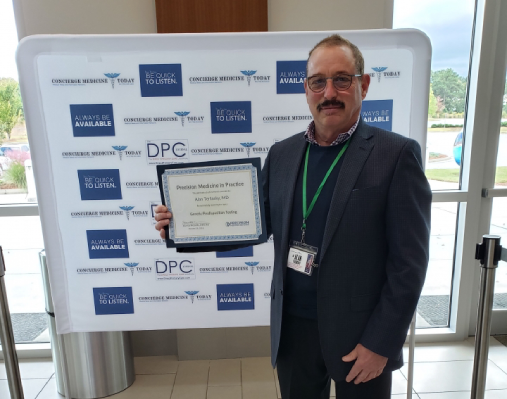
Dr. Terlinsky Attends the Precision Medicine Workshops Recently

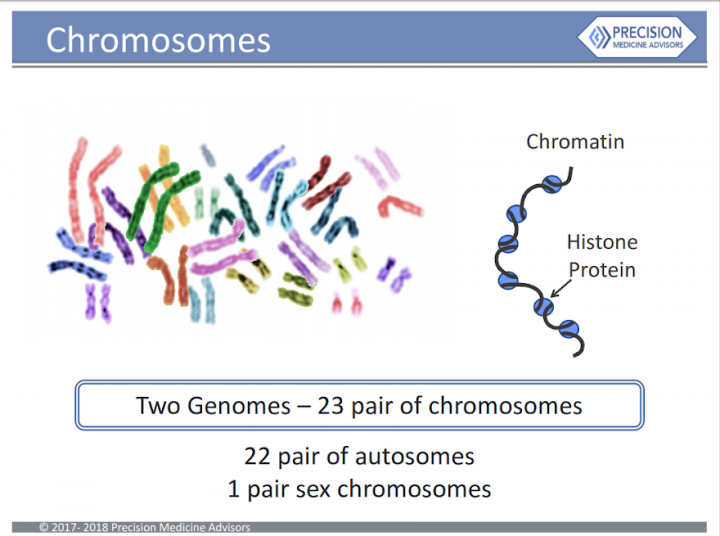
Reproduced with permission from Jeanette McCarthy Ph.D of Precision Medicine Advisers

Reproduced with permission from Jeanette McCarthy Ph.D of Precision Medicine Advisers

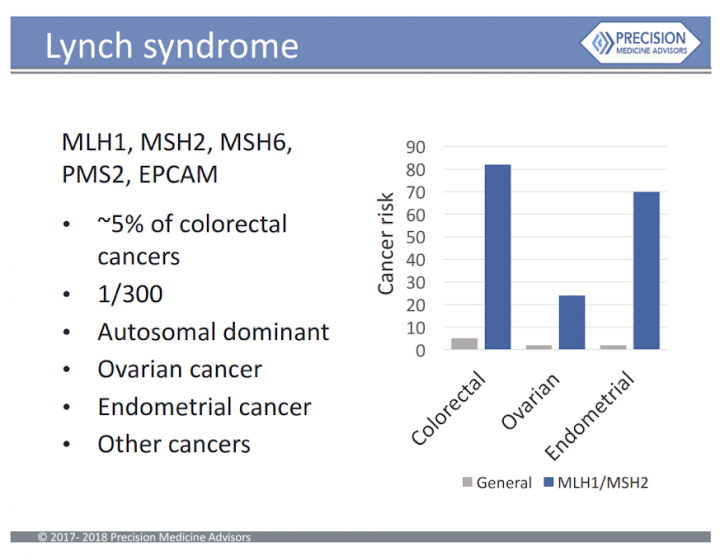
The Precision Medicine Initiative was begun formally in 2009 and it involves using a person’s genetic information (genomics) to customize a health plan over the course of that person’s lifetime to optimize health and avoid chronic disease.

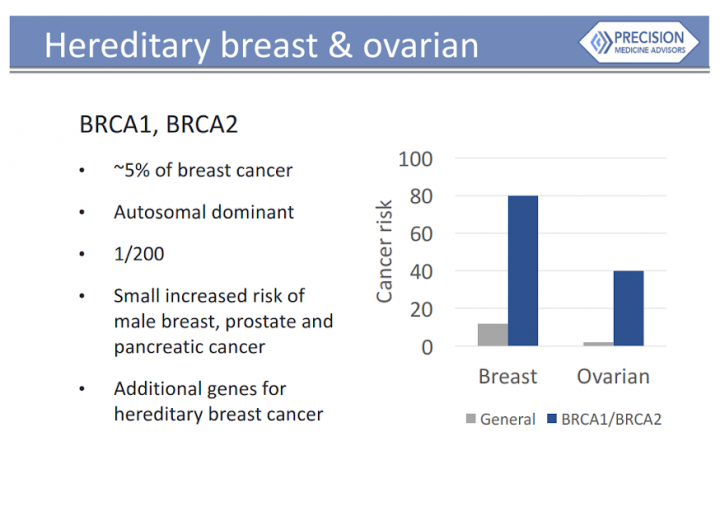
Reproduced with permission from Jeanette McCarthy Ph.D of Precision Medicine Advisers

Reproduced with permission from Jeanette McCarthy Ph.D of Precision Medicine Advisers

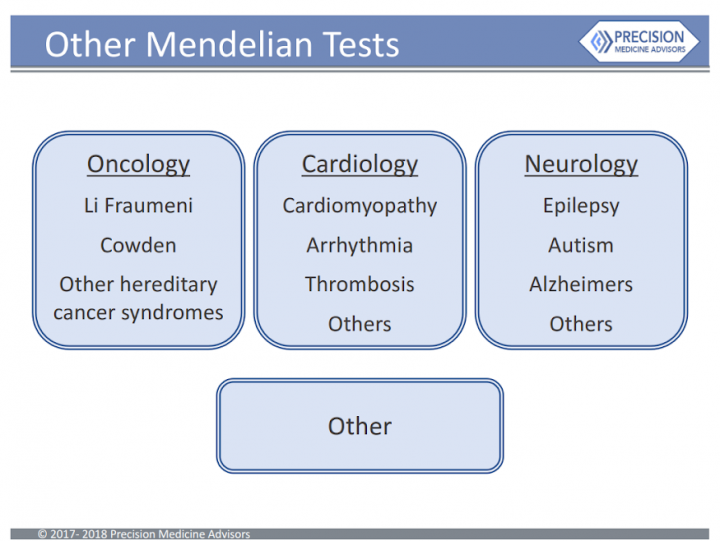
Specifically, Precision Medicine, through genomics seeks early detection of various cancers, cardiovascular disease and degenerative neurological diseases including parkinsonism and Alzheimer’s. Moreover, matching a patient with specific medications for conditions based on genomic information may lead to better control of neuropsychiatric conditions, epilepsy, hypertension, cardiovascular disease and many other medical conditions. This is known as pharmacogenomics.

The key to Precision Medicine is a person’s individual variability in their genes and how epigenetic factors such as environment and lifestyle interact to influence the expression of their genes.

This approach will allow physicians to predict the best treatments and prevention strategies for individuals based on their genes. The “ one size fits all “ approach will no longer apply.

Reproduced with permission from Jeanette McCarthy Ph.D of Precision Medicine Advisers

The entirety of a person’s genetic material is referred to as their genome. When the human genome was completely decoded around the year 2000, one could have their genetic code deciphered but it was very expensive approaching $30,000. Over the ensuing years, advances in technology have brought down the cost to the point that for a few hundred dollars a person can have their genetic information including important health information.

I am recommending all my patients to make an appointment with me to discuss genomic testing and the benefits of this testing.


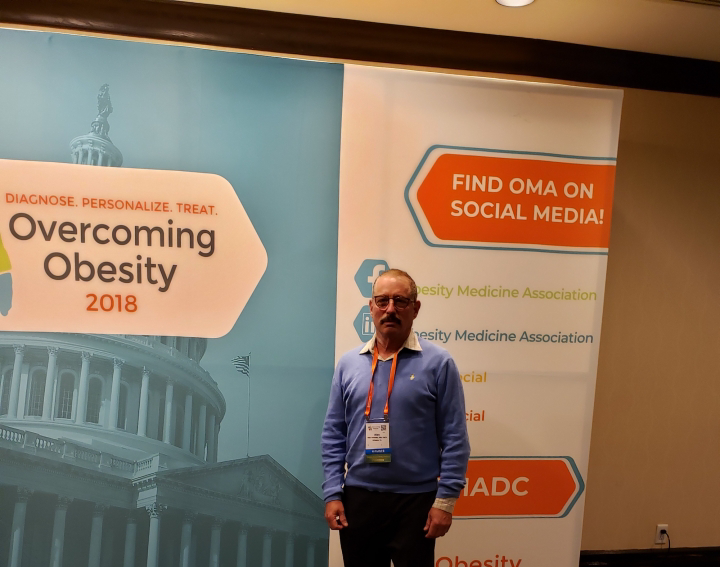
Dr. Terlinsky Attends the Obesity Medicine Association Fall Conference

Dr. Terlinsky has been a member and a certified diplomat of the Obesity Medicine Association, OMA, for almost 2 decades.  The OMA, formerly The American Association of Bariatric Physicians, provides cutting edge education for physicians in the field of obesity medicine and is a nationally recognized medical organization dedicated to advancement in the treatment of obesity.  

I always look forward to the fall. That’s when I attend many medical conferences and I love medical conferences! I go to 5-7 medical conferences per year. Starting last December, I have been to the annual meeting of the A4m (American Academy of Antiaging and Restorative Medicine), Endocrine Society, European Society of Hypertension, Obesity Medicine Association and the North American Menopause Society. Before the end of 2018, I will attend a Concierge Medicine conference in Atlanta, a Precision Medicine conference in Hershey, PA, Laser Therapy Conference in Baltimore and the back to Las Vegas for the 2018 A4M.

In Washington DC, between Sept 26-30 I was at the OMA meeting and here is what I heard:

Mental Health Considerations in the Treatment of Obesity

Many psychiatric conditions and eating disorders are present in patients with obesity, and these conditions may interfere with obesity treatment. Many clinical are useful to help address psychiatric problems and eating disorders during obesity treatment.

Update on Bariatric Surgical Procedures

There are new developments in bariatric surgery, such as a more aggressive Roux-en-Y and SIPS (stomach intestinal pylorus-sparing surgery). There has been FDA recent warning on gastric balloons.

Bottom line: 50% classic Roux-en-Y, 50 % Gastric Sleeve.

Lap Band is out.

Exercise Physiology

There are many reasons to exercise beyond weight loss. Even if you do not lose weight, if you exercise, you will decrease your chances of heart attacks, strokes, heart failure, and sudden death. You will live longer if you exercise. The worst thing for health is the sedentary lifestyle. Sitting for 4-6 hours a day is like the new smoking. Exercise needs to create some perspiration for it to be valuable.

The Role of the Mediterranean Diet for Weight Control, Optimal Health, and Longevity

It is interesting to compare scientific results for health and weight loss when comparing various diet strategies. There is the Mediterranean diet, the ketogenic diet, and the low-fat diet. Guess which one has no scientific basis for any success at all? If you say the low-fat diet you’re correct.

As it turns out in the long-term the ketogenic diet and the Mediterranean diet are about equal. However, weight loss occurs faster with the ketogenic diet. Motivation is a significant factor in patient compliance with a diet. Short-term and tactically ketogenic diets keep people interested.

The Ketogenic Diet

Did you know that there were several levels of a ketogenic diet? It all depends on how low you go with carb restriction. The most intense ketogenic diet starts around 20 g and that is basically the Atkins diet which is very high in fat. If you do this diet successfully you burn through all the fat. If you do not become ketotic because of excessive carb intake wind up eating too much fat and their goal is your cholesterol. On the other hand, if you follow a 60-80 g ketogenic diet there is far less fat. That may be safer for people who have underlying vascular disease, diabetes and coronary artery disease.

Understanding and Managing Food Cravings

Do you know the difference between hunger, thirst and a craving? Hunger was caused by low blood sugar and it is very difficult to resist just as holding her breath. Drinking water eliminates hunger if the hunger was based on thirst. Cravings have nothing to do with blood sugar or body water status. Cravings go away in 7-10 minutes particularly if you can distract yourself. What is an anti-craving? That is when you have an aversion to a food for example spinach. Can you overcome this? Absolutely!

Medications for Obesity-related Diseases

5 years ago, there were virtually no safe FDA approved medications for obesity. We now have many. The problem is many providers are not able to prescribe the right medication for the right patient profile.

What’s in the Pipeline for Anti-obesity Medications?

Less take the following conditions: High cholesterol, diabetes, hypertension and obesity.

In the case of cholesterol, diabetes and hypertension, all these conditions initially had very few drugs that were effective and most of them had unfavorable side effects. That has changed over the last 20 years and now we have excellent medications for high cholesterol, diabetes and hypertension. Moreover, many of these medications have been proven safe and effective and prevent cardiovascular disease. We are using these medications in combinations.

What about obesity? We will remember fiasco of Fen/Phen. Many obesity medications have been taken off the market for adverse side effects and dangerous cardiovascular effects. But we have a new age now. Obesity medications both given singularly and in combination are catching up with high cholesterol, diabetes and hypertension. There are many new drugs in the pipeline which will be game changers.

Precision Medicine in Obesity Treatment

Around 2000, the human genetic code was broken. We are now reaping the benefits and people can now obtain the genetic profile relating to their health.  It is like getting your owners manual for your body.

Precision Medicine uses genetic information, refer to as genomics, to predict all sorts of useful information including the best medicines for a patient, the best nutritional strategies for patient and now the best nutritional plans for the overweight and obese. We are just at the beginning.

I learned about the relationship between genetics and obesity, including current research on genetic factors that influence individual variability for weight gain. I was excited to hear that there was a role of genetics in the prevention and treatment of obesity.

Get Start